Friday, 6 June 2025

ACLU: From Day One, Trump's Immigration Agenda Has Grown More Extreme

From Day One, Trump's Immigration Agenda Has Grown More Extreme

Four months into President Donald Trump’s second term, he has aggressively pursued efforts to strip entire communities of their rights and circumvent the rule of law

While many voters expected Trump to ramp up deportations, they did not foresee the hurricane of horrors he has unleashed. The president has attempted to assert war-time authorities to disappear people to foreign prisons without due process based on their tattoos and clothing. He has arbitrarily punished students who are non-citizens, jailing some and forcing others to flee the country. He put U.S. citizen children on Immigration and Customs Enforcement (ICE) deportation flights, including those receiving cancer treatment. Trump’s ICE chief has said he wants to create a deportation system like “Amazon Prime for human beings” in a brutal and dehumanizing drive to deport as many people as quickly as possible, no matter the cost. Trump is now poised to turn the military, plus thousands of federal, state and local law enforcement agents, on entire communities in a hunt for our immigrant neighbors that will put all of our civil liberties in danger.

As we prepare for the fight ahead, here are three key areas to watch:

Watch: Trump’s team will continue to experiment with extreme legal “authorities” and enlist or threaten every agency he can to expand his deportation force.

The Trump administration has unlawfully used the Alien Enemies Act --- a wartime authority that had only been invoked three times in over 200 years and only during a declared war—to disappear people to CECOT, a brutal prison in El Salvador, without due process. The administration has shipped immigrants to the military prison at Guantanamo Bay. Trump is also attempting to swiftly deport people to dangerous countries to which they have no connection, like South Sudan, which is on the brink of civil war; and Libya, which is known for electrocuting and sexually assaulting migrants imprisoned in militia-run detention facilities. Some of those already deported to CECOT had protected status or pending asylum cases, including Kilmar Abrego Garcia, the Maryland father the government admits it sent erroneously, but now refuses any ability or responsibility to return to his family. The ACLU has filed more than 10 habeas corpus, arguing that the government must have a just cause for detaining or imprisoning someone, to stop these illegal deportations without due process.

Trump is reportedly seeking to use National Guard troops for immigration enforcement, opening a very dangerous chapter where troops would be patrolling our neighborhoods looking for families, children, and others who they think are undocumented. We have never experienced a moment like this in our lifetimes, when our troops are being turned against our communities, acting in the service of a military police state.

Watch: The president is creating a “Show Me Your Papers Nation,” with new criminal penalties—even for children—while using an increasingly aggressive and untrained set of immigration agents to enforce it.

Within weeks of taking control, the Trump administration initiated a new, nationwide registration system requiring that kids as young as 14 and adults who are non-citizens register. Now, millions of our neighbors and family members face a dangerous Catch-22: If they show up to “register” with ICE, they may be taken into custody and swiftly deported from their homes and families. If they don’t, they face criminal prosecution for failing to register. Any encounter with law enforcement – including when people report a crime or seek protection – could lead to police questioning a person about their immigration and registration status.

At the same time, the Trump administration is also seeking 20,000 federal, state and local law enforcement officers and at least 21,000 National Guard troops to join its deportation force. It is re-assigning thousands of federal law enforcement agents from serious crime investigation duties to immigration enforcement. This is straight out a dystopian novel: The president is amassing a massive internal police force under his command, with a mandate to execute a massive round-up of people in our country, who are cast as “criminals” because they have violated a law that makes failing to turn themselves into the government a crime.

Watch: Trump is using the immigration system to attack dissent among students, members of Congress and anyone who stands in his way.

Already, we have seen immigrants deported at airports for criticizing President Trump, and students have their visas revoked for expressing their views. We now know that the State Department is asserting that students and others, like ACLU client Mahmoud Khalil, can be expelled purely for their opinions. The administration is also threatening anyone who helps immigrants to defend their rights, including legal services groups, entire cities and states, and even members of Congress. These attacks are transparently about consolidating power, bringing critics to heel, and eliminating the space to fight back.

Communities Are Still Fighting Back

Still, there are stories of communities working to support their neighbors and loved ones. Communities are standing up for their neighbors and questioning ICE, and Congress, about abusive arrests and the lack of due process. Law enforcement leaders are declining to take part in the Trump deportation drive, knowing it will not make their communities. Elected officials at all levels are creating a firewall for freedom, enacting protections for their community members that counteract the Trump deportation agenda.

Members of Congress are also listening – and knocking on the doors of private prison operators in New Jersey, Louisiana and Colorado, to name a few. These visits, even when members of Congress are denied entry, are powerful rebukes to an administration claiming power to disappear people into prisons and lock the door behind them.

Courts are rejecting Trump’s authoritarian overreach and affirming that immigrants have rights and deserve due process. It’s no coincidence that some of the more outrageous proposals from this administration—suspending habeas corpus, sending U.S. citizens to CECOT—come when the administration is losing in court.

At the ACLU, working with community partners, through the courts, and through lobbying, our work to protect our communities from Trump’s dangerous deportation drive continues.


Published June 6, 2025 at 07:21PM
via ACLU https://ift.tt/91Uvump

Monday, 2 June 2025

ACLU: What is Habeas Corpus? Why Does It Matter?

What is Habeas Corpus? Why Does It Matter?

The Trump administration floated an idea in recent weeks: suspending habeas corpus.

Why? Because over and over again—including in the American Civil Liberties Union’s challenge against President Donald Trump’s illegal use of the Alien Enemies Act to deport people without due process—courts hearing habeas corpus cases have stopped the administration from carrying out massive violations of people’s constitutional rights. To get around this obstacle, administration officials now say they are looking into suspending habeas corpus altogether.

What is this arcane-sounding legal device? How is does it stand in the way of illegal government action?

What is Habeas Corpus?

Habeas corpus, known as the “Great Writ,” is a centuries-old legal instrument. The phrase is Latin for “you have the body.” At its core, it is a demand that the government bring any detainee before a court and explain why it has the authority to detain the person.

The U.S. Constitution enshrines this protection in Article I, Section 9, stating that the writ “shall not be suspended, unless when in Cases of Rebellion or Invasion the public Safety may require it.” That’s a high bar, and for good reason: Habeas corpus has stood for centuries – even before the United States was founded – as a barrier against tyranny, It prevents kings, presidents, and prime ministers from locking people up without cause or review.

As Alexander Hamilton wrote, “[T]he practice of arbitrary imprisonments, have been, in all ages, the favorite and most formidable instruments of tyranny.” He therefore viewed the guarantee of habeas corpus perhaps “[a] greater securit[y] to liberty and republicanism than any [the Constitution] contains.” In fact, habeas corpus was one of the few individual rights in the Constitution before the Bill of Rights was adopted.

What Does Habeas Corpus Protect?

Habeas corpus ensures that no person — citizen or not — can be held by the government without the right to challenge their detention before a judge. It is a cornerstone of due process.

Among other things, it protects against:

  • Indefinite detention without charge
  • Imprisonment without a fair hearing
  • Detention based on unlawful or discriminatory grounds
  • Unlawful removal or transfer
  • Government abuse of wartime or national security powers

Whether the government is detaining someone at Guantánamo Bay, in a Immigration and Customs Enforcement detention facility, or under a wartime statute like the Alien Enemies Act, habeas corpus is a constitutionally guaranteed pathway to a fair legal process.

How is President Trump Threatening Court Review and the Rule of Law?

President Trump is attempting to revive arcane laws to sidestep constitutional safeguards that prevent the detainment and deportation of individuals without providing their day in court.

His administration has:

  • Invoked the 1798 Alien and Enemies Act to justify mass detentions and deportations to a torture prison in El Salvador.
  • Locked up protesters for their protected speechand argued that they must sit in jail for years before seeing a federal judge.
  • Deported people in violation of court orders and without hearings, notice, or access to legal counsel.
  • Argued that these individuals have no right to challenge their detention.

But the courts have repeatedly found that habeas corpus guarantees a judicial forum to check these abuses and protect the rights of noncitizens.

Trump’s moves echo past abuses of power. In 2006, President George W. Bush and Congress enacted the Military Commissions Act (MCA), which sought to strip habeas rights for Guantánamo detainees. The Supreme Court struck it down in Boumediene v. Bush, reaffirming that habeas corpus cannot be bypassed simply by labeling someone an “enemy.”

President Trump repeatedly pushed that boundary during his first term — attempting to deny detained people access to the courts, defending the right of indefinite detention of noncitizens without meaningful judicial review, and even floating the idea of sending terrorism suspects to Guantánamo Bay. Now, his officials are going even further

How Does Habeas Corpus Prevent Trump's Unlawful Deportations?

To date, the Supreme Court has twice reaffirmed in the ACLU’s cases that anyone detained under the Alien and Enemies Act still has the right to file habeas petitions.

We have worked to vindicate that right — filing multiple habeas cases across the country one challenging unlawful detention under Trump’s sweeping executive order. Habeas corpus protection is what stands in the way of the government being able to arbitrarily take people from their communities in this country and send them to a notorious prison in El Salvador.

A president may claim they have the power to imprison people without charge or review, but justice demands a different answer. Habeas corpus thus stands as a crucial line of defense: for freedom and against abuse of power. And when that habeas corpus itself comes under attack, it’s up to all of us to defend it.


Published June 3, 2025 at 12:03AM
via ACLU https://ift.tt/mQe0jx9

ACLU: What is Habeas Corpus? Why Does It Matter?

What is Habeas Corpus? Why Does It Matter?

The Trump administration floated an idea in recent weeks: suspending habeas corpus.

Why? Because over and over again—including in the American Civil Liberties Union’s challenge against President Donald Trump’s illegal use of the Alien Enemies Act to deport people without due process—courts hearing habeas corpus cases have stopped the administration from carrying out massive violations of people’s constitutional rights. To get around this obstacle, administration officials now say they are looking into suspending habeas corpus altogether.

What is this arcane-sounding legal device? How is does it stand in the way of illegal government action?

What is Habeas Corpus?

Habeas corpus, known as the “Great Writ,” is a centuries-old legal instrument. The phrase is Latin for “you have the body.” At its core, it is a demand that the government bring any detainee before a court and explain why it has the authority to detain the person.

The U.S. Constitution enshrines this protection in Article I, Section 9, stating that the writ “shall not be suspended, unless when in Cases of Rebellion or Invasion the public Safety may require it.” That’s a high bar, and for good reason: Habeas corpus has stood for centuries – even before the United States was founded – as a barrier against tyranny, It prevents kings, presidents, and prime ministers from locking people up without cause or review.

As Alexander Hamilton wrote, “[T]he practice of arbitrary imprisonments, have been, in all ages, the favorite and most formidable instruments of tyranny.” He therefore viewed the guarantee of habeas corpus perhaps “[a] greater securit[y] to liberty and republicanism than any [the Constitution] contains.” In fact, habeas corpus was one of the few individual rights in the Constitution before the Bill of Rights was adopted.

What Does Habeas Corpus Protect?

Habeas corpus ensures that no person — citizen or not — can be held by the government without the right to challenge their detention before a judge. It is a cornerstone of due process.

Among other things, it protects against:

  • Indefinite detention without charge
  • Imprisonment without a fair hearing
  • Detention based on unlawful or discriminatory grounds
  • Unlawful removal or transfer
  • Government abuse of wartime or national security powers

Whether the government is detaining someone at Guantánamo Bay, in a Immigration and Customs Enforcement detention facility, or under a wartime statute like the Alien Enemies Act, habeas corpus is a constitutionally guaranteed pathway to a fair legal process.

How is President Trump Threatening Court Review and the Rule of Law?

President Trump is attempting to revive arcane laws to sidestep constitutional safeguards that prevent the detainment and deportation of individuals without providing their day in court.

His administration has:

  • Invoked the 1798 Alien and Enemies Act to justify mass detentions and deportations to a torture prison in El Salvador.
  • Locked up protesters for their protected speechand argued that they must sit in jail for years before seeing a federal judge.
  • Deported people in violation of court orders and without hearings, notice, or access to legal counsel.
  • Argued that these individuals have no right to challenge their detention.

But the courts have repeatedly found that habeas corpus guarantees a judicial forum to check these abuses and protect the rights of noncitizens.

Trump’s moves echo past abuses of power. In 2006, President George W. Bush and Congress enacted the Military Commissions Act (MCA), which sought to strip habeas rights for Guantánamo detainees. The Supreme Court struck it down in Boumediene v. Bush, reaffirming that habeas corpus cannot be bypassed simply by labeling someone an “enemy.”

President Trump repeatedly pushed that boundary during his first term — attempting to deny detained people access to the courts, defending the right of indefinite detention of noncitizens without meaningful judicial review, and even floating the idea of sending terrorism suspects to Guantánamo Bay. Now, his officials are going even further

How Does Habeas Corpus Prevent Trump's Unlawful Deportations?

To date, the Supreme Court has twice reaffirmed in the ACLU’s cases that anyone detained under the Alien and Enemies Act still has the right to file habeas petitions.

We have worked to vindicate that right — filing multiple habeas cases across the country one challenging unlawful detention under Trump’s sweeping executive order. Habeas corpus protection is what stands in the way of the government being able to arbitrarily take people from their communities in this country and send them to a notorious prison in El Salvador.

A president may claim they have the power to imprison people without charge or review, but justice demands a different answer. Habeas corpus thus stands as a crucial line of defense: for freedom and against abuse of power. And when that habeas corpus itself comes under attack, it’s up to all of us to defend it.


Published June 2, 2025 at 07:33PM
via ACLU https://ift.tt/4D9kcaA

Wednesday, 28 May 2025

ACLU: The Supreme Court Cases to Watch

The Supreme Court Cases to Watch

The Supreme Court’s docket this term includes many of the complex issues American society is currently facing, including: immigration, free speech, religious liberty, LGBTQ rights and voting rights.

The ACLU has served as counsel or filed friend-of-the-court briefs in all of the cases addressing these hot-button issues. In addition to its official docket, the court will also decide cases on its “shadow docket,” or emergency docket, that touch on contentious issues like immigration enforcement and birthright citizenship.

Below, read more about key cases on the court’s main and emergency docket, including what they mean for the future of our civil liberties.


LGBTQ RIGHTS

U.S. v Skrmetti

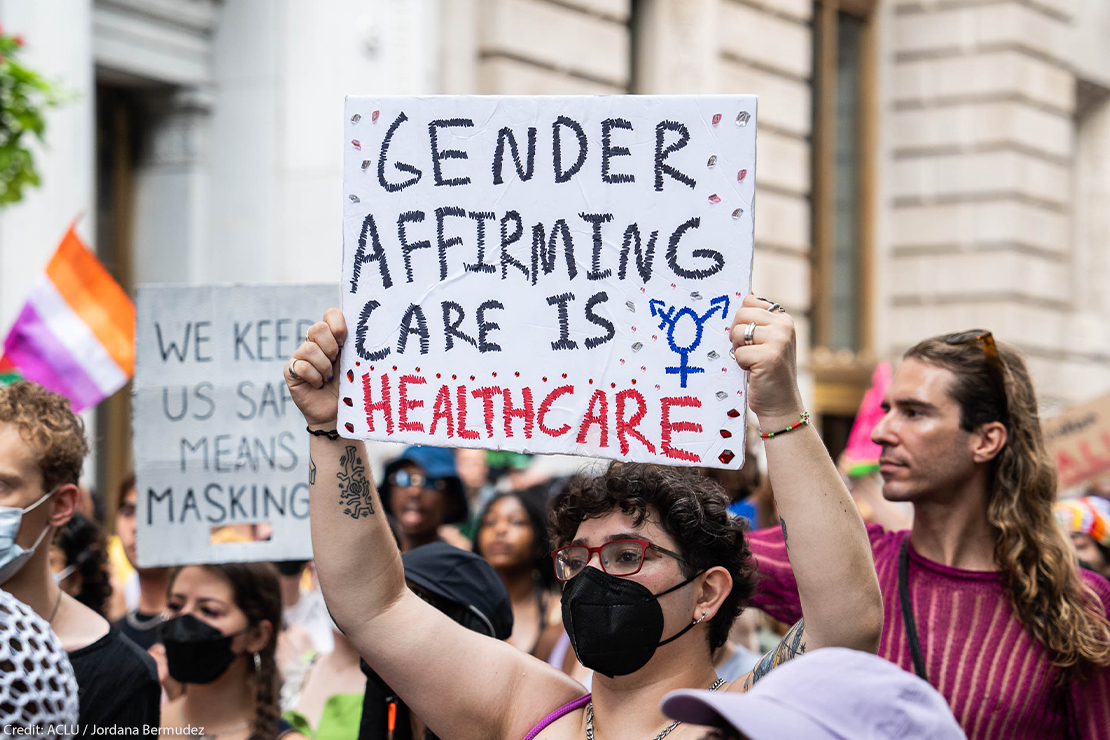
A shirtless demonstrator (wearing glasses and a black surgical mask) holds up a sign that reads" GENDER AFFIRMING CARE IS HEALTHCARE".

The Facts: The question in this case is whether Tennessee’s law banning gender-affirming hormone therapies for transgender minors violates the Equal Protection Clause of the US Constitution.

Our Argument: The ACLU argues that Tennessee’s ban is a clear example of discrimination on the basis of sex and transgender status making it a violation of the Equal Protection Clause of the 14th Amendment of the Constitution.

We made a similar argument in 2020 when, alongside other legal advocates, we successfully argued in front of the Supreme Court on behalf of LGBTQ clients fired because of their sexual orientation and gender identity, including a transgender woman fired from her job at a Michigan funeral home. In a 6-3 ruling, the Supreme Court ruled in favor of LGBTQ workers and found “it is impossible to discriminate against a person for being homosexual or transgender without discriminating against that individual based on sex” and therefore discrimination against LGBTQ workers was impermissible sex discrimination under Title VII, the federal law prohibiting sex discrimination in employment.

Why it Matters: In this case, the Supreme Court must now decide whether states can ban medical treatment for transgender youth with gender dysphoria, but not whether they must. If the court finds Tennessee’s law constitutional, the immediate impact on access to these treatments will be limited to the two states where the bans are already in effect.

Importantly, when arguing against transgender people and their families, states with bans like Tennessee’s have relied heavily on the Supreme Court’s opinion Dobbs v. Jackson Women’s Health Organization, which overturned Roe v. Wade and allowed states to ban abortion. U.S. v. Skrmetti will be a major test of how far the court is willing to stretch Dobbs to allow states to ban other health care. The court’s ruling could serve as a stepping stone towards further limiting access to abortion, IVF, and birth control.


FREE SPEECH

FSC v. Paxton

Laptop computer displaying the sign of censorship on an internet news site.

The Facts: The court must decide if a Texas law that forces people to share personally identifying information — potentially including a picture of themselves, biometric scans, or their government ID — before they can access websites that host some amount of sexual content is a violation of the First Amendment.

Our Argument: This law threatens all of our First Amendment rights, regardless of age. It reflects the government’s distaste for specific topics and messages–those about sex–and so it has to pass a very strict test to satisfy the First Amendment. The government argues that the law just has to be reasonable since its goal is to protect kids, but accepting that argument could open the door to all manner of speech regulation – and it doesn’t even actually protect kids. Pornography is often the canary in the coalmine when it comes to protecting free speech.

While proponents of age-verification laws liken them to showing your ID before buying pornography in person, the reality of online age verification is much more invasive. In the physical world, age-gating is easy, but the online version of this process is far more burdensome, time-consuming, and risky.

Why it Matters: Texas’s age-verification law is another insidious attempt to dismantle our right to access information — and to express ourselves freely.

Forcing people to identify themselves to access information online threatens the internet’s very spirit, and it compromises our rights to privacy and free speech without preventing children from accessing porn. In an age marked by data breaches and digital surveillance, linking your identity to your browsing history will inevitably discourage speech—and if that is deemed okay for sexual content, it could keep spreading to any number of other topics or mediums. Several states have already passed similar laws restricting access to social media for minors, and if those regulations continue to pass, the future of the internet looks a lot more fenced in.


RELIGION

Mahmoud v. Taylor

People (with their backs to the camera) walk towards a nondescript building's glass doors. where above the doors hangs a sign that reads "LOVE IS THE SPIRIT OF THIS CHURCH".

ACLU / Yousef Sindi

The Facts: This case asks whether a Maryland school district’s refusal to allow parents to opt their children out of an LGBTQ-inclusive English curriculum a violation of parents’ free-speech, free-exercise, and substantive-due-process rights under the U.S. Constitution and Maryland law.

Our Argument: In a friend-of-the-court brief, we argue that the “no opt-out” policy does not violate parents’ free exercise First Amendment rights. Although the school district previously allowed opt-outs for any reason from portions of the English Language Arts curriculum featuring storybooks with LGBTQ characters and themes, the growing number of opt-outs proved to be disruptive and divisive. Teachers were forced to divert time and resources to create alternative lessons for students who opted out, and many students simply did not attend school at all for the day. In addition, the opt-outs stigmatized LGBTQ students and those with LGBTQ family members.

Why it Matters: Religious liberty is fundamentally important, but it doesn’t force public schools to exempt students from secular lessons that don’t align with their families’ religious views. Mandating opt-outs would wreak havoc on public schools, tying their hands on basic curricular decisions, stoking divisiveness and disruption, and undermining a core purpose of public education — to prepare students to live in our pluralistic society.


VOTING

Robinson v. Callais/Louisiana v. Callais

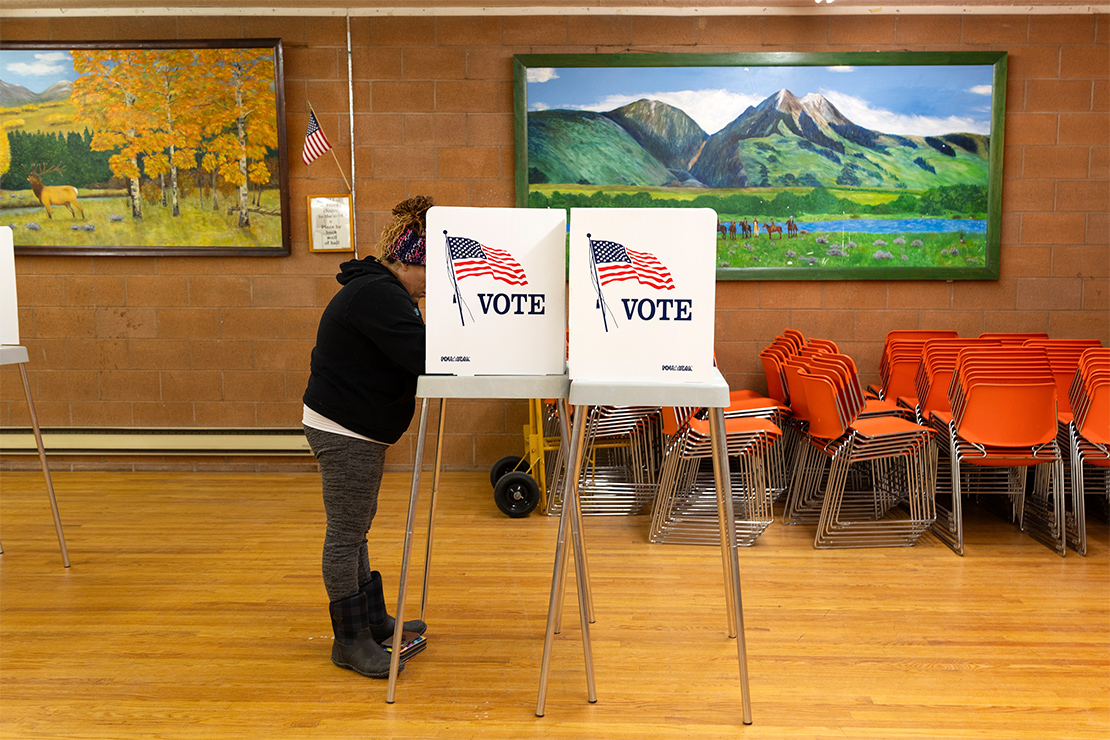
A woman with her face hidden stands in front of a voting table.

ACLU / Janie Osborne

The Facts: In this case, the Supreme Court will determine whether Louisiana's congressional map, which now includes two majority-Black districts, constitutes a racial gerrymander.

Our Argument: With such a significant Black population in Louisiana, it's imperative that the state’s congressional districts mirror this demographic reality to ensure fair representation. Simply put, the new map allows Black voters to elect candidates who genuinely represent their communities' concerns and interests. This aligns with the Voting Rights Act, which mandates that electoral maps not dilute the voting power of communities of color.

Why it Matters: Louisiana has a long history of racial discrimination in voting, including practices like literacy tests and poll taxes that targeted and disenfranchised Black voters.

Establishing a second majority-Black district ensures that the political landscape reflects Louisiana's diverse population -- of which Black people make up one third -- and is simply put: fair representation. Louisiana’s actions should set a precedent and inspire similar moves toward improving democratic processes in other states.


THE SHADOW DOCKET

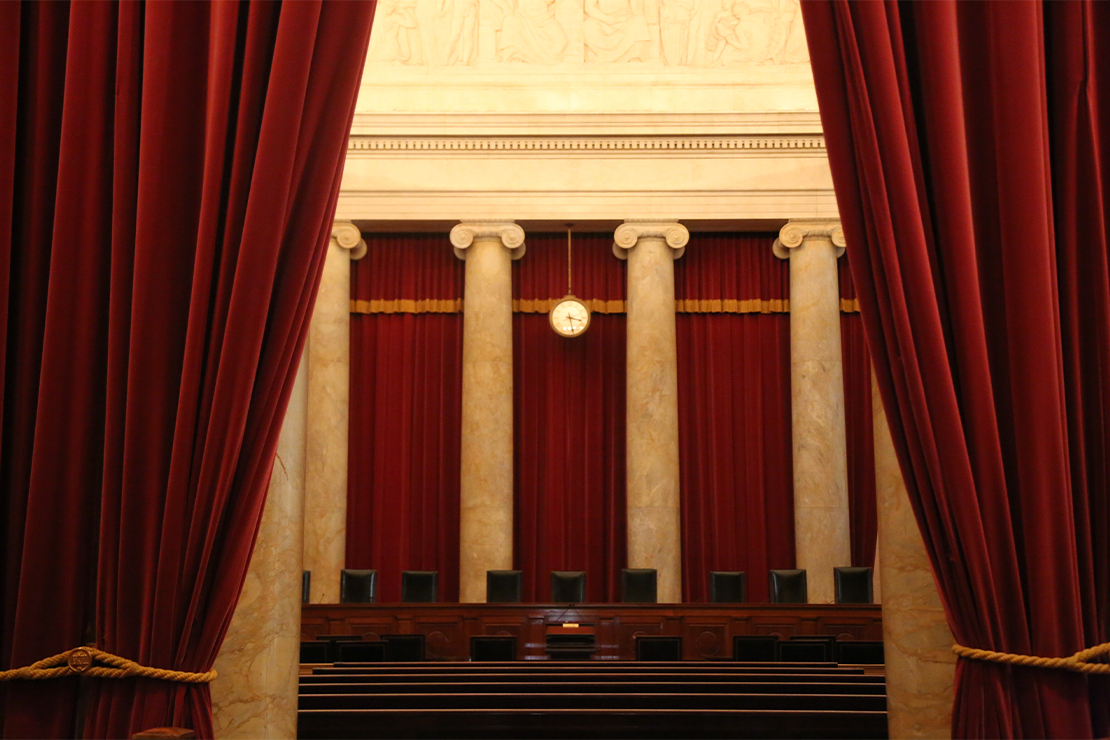
A. dark, interior shot of the empty judges chambers at Supreme Court of the United States building.

While not “official” Supreme Court cases, the so-called shadow docket, or emergency docket, cases are brought to the court by a state, or a company, or a person who has lost in the lower courts and asks the Supreme Court to block the lower court's order while the case proceeds through the appeals process. The shadow docket is the way many cases today are decided, without full briefing or oral argument, and without any written opinion.

The Trump administration has utilized the shadow docket to address contentious issues – notably immigration enforcement and birthright citizenship – raising alarm over whether the administration is attempting to circumvent the rule of law to enforce unlawful and harmful policies.

A major case on the shadow docket involved Kilmar Armando Abrego Garcia, a Maryland man wrongfully deported to El Salvador. The court largely upheld a district judge’s order for his return. Other immigration-related shadow docket cases include Trump’s use of the Alien Enemies Act to deport Venezuelan detainees to El Salvador. The Supreme Court intervened to temporarily block these deportations. The court also heard arguments in a case challenging Trump’s executive order to end birthright citizenship for children of undocumented immigrants. The administration seeks to limit nationwide blocks on use of the law from lower courts, requesting they apply only to the parties involved. The court has yet to issue any rulings in this case.


Published May 28, 2025 at 07:54PM
via ACLU https://ift.tt/ah3NTyt

ACLU: The Supreme Court Cases to Watch

The Supreme Court Cases to Watch

The Supreme Court’s docket this term includes many of the complex issues American society is currently facing, including: immigration, free speech, religious liberty, LGBTQ rights and voting rights.

The ACLU has served as counsel or filed friend-of-the-court briefs in all of the cases addressing these hot-button issues. In addition to its official docket, the court will also decide cases on its “shadow docket,” or emergency docket, that touch on contentious issues like immigration enforcement and birthright citizenship.

Below, read more about key cases on the court’s main and emergency docket, including what they mean for the future of our civil liberties.


LGBTQ RIGHTS

U.S. v Skrmetti

A shirtless demonstrator (wearing glasses and a black surgical mask) holds up a sign that reads" GENDER AFFIRMING CARE IS HEALTHCARE".

The Facts: The question in this case is whether Tennessee’s law banning gender-affirming hormone therapies for transgender minors violates the Equal Protection Clause of the US Constitution.

Our Argument: The ACLU argues that Tennessee’s ban is a clear example of discrimination on the basis of sex and transgender status making it a violation of the Equal Protection Clause of the 14th Amendment of the Constitution.

We made a similar argument in 2020 when, alongside other legal advocates, we successfully argued in front of the Supreme Court on behalf of LGBTQ clients fired because of their sexual orientation and gender identity, including a transgender woman fired from her job at a Michigan funeral home. In a 6-3 ruling, the Supreme Court ruled in favor of LGBTQ workers and found “it is impossible to discriminate against a person for being homosexual or transgender without discriminating against that individual based on sex” and therefore discrimination against LGBTQ workers was impermissible sex discrimination under Title VII, the federal law prohibiting sex discrimination in employment.

Why it Matters: In this case, the Supreme Court must now decide whether states can ban medical treatment for transgender youth with gender dysphoria, but not whether they must. If the court finds Tennessee’s law constitutional, the immediate impact on access to these treatments will be limited to the two states where the bans are already in effect.

Importantly, when arguing against transgender people and their families, states with bans like Tennessee’s have relied heavily on the Supreme Court’s opinion Dobbs v. Jackson Women’s Health Organization, which overturned Roe v. Wade and allowed states to ban abortion. U.S. v. Skrmetti will be a major test of how far the court is willing to stretch Dobbs to allow states to ban other health care. The court’s ruling could serve as a stepping stone towards further limiting access to abortion, IVF, and birth control.


FREE SPEECH

FSC v. Paxton

Laptop computer displaying the sign of censorship on an internet news site.

The Facts: The court must decide if a Texas law that forces people to share personally identifying information — potentially including a picture of themselves, biometric scans, or their government ID — before they can access websites that host some amount of sexual content is a violation of the First Amendment.

Our Argument: This law threatens all of our First Amendment rights, regardless of age. It reflects the government’s distaste for specific topics and messages–those about sex–and so it has to pass a very strict test to satisfy the First Amendment. The government argues that the law just has to be reasonable since its goal is to protect kids, but accepting that argument could open the door to all manner of speech regulation – and it doesn’t even actually protect kids. Pornography is often the canary in the coalmine when it comes to protecting free speech.

While proponents of age-verification laws liken them to showing your ID before buying pornography in person, the reality of online age verification is much more invasive. In the physical world, age-gating is easy, but the online version of this process is far more burdensome, time-consuming, and risky.

Why it Matters: Texas’s age-verification law is another insidious attempt to dismantle our right to access information — and to express ourselves freely.

Forcing people to identify themselves to access information online threatens the internet’s very spirit, and it compromises our rights to privacy and free speech without preventing children from accessing porn. In an age marked by data breaches and digital surveillance, linking your identity to your browsing history will inevitably discourage speech—and if that is deemed okay for sexual content, it could keep spreading to any number of other topics or mediums. Several states have already passed similar laws restricting access to social media for minors, and if those regulations continue to pass, the future of the internet looks a lot more fenced in.


RELIGION

Mahmoud v. Taylor

People (with their backs to the camera) walk towards a nondescript building's glass doors. where above the doors hangs a sign that reads "LOVE IS THE SPIRIT OF THIS CHURCH".

ACLU / Yousef Sindi

The Facts: This case asks whether a Maryland school district’s refusal to allow parents to opt their children out of an LGBTQ-inclusive English curriculum a violation of parents’ free-speech, free-exercise, and substantive-due-process rights under the U.S. Constitution and Maryland law.

Our Argument: In a friend-of-the-court brief, we argue that the “no opt-out” policy does not violate parents’ free exercise First Amendment rights. Although the school district previously allowed opt-outs for any reason from portions of the English Language Arts curriculum featuring storybooks with LGBTQ characters and themes, the growing number of opt-outs proved to be disruptive and divisive. Teachers were forced to divert time and resources to create alternative lessons for students who opted out, and many students simply did not attend school at all for the day. In addition, the opt-outs stigmatized LGBTQ students and those with LGBTQ family members.

Why it Matters: Religious liberty is fundamentally important, but it doesn’t force public schools to exempt students from secular lessons that don’t align with their families’ religious views. Mandating opt-outs would wreak havoc on public schools, tying their hands on basic curricular decisions, stoking divisiveness and disruption, and undermining a core purpose of public education — to prepare students to live in our pluralistic society.


VOTING

Robinson v. Callais/Louisiana v. Callais

A woman with her face hidden stands in front of a voting table.

ACLU / Janie Osborne

The Facts: In this case, the Supreme Court will determine whether Louisiana's congressional map, which now includes two majority-Black districts, constitutes a racial gerrymander.

Our Argument: With such a significant Black population in Louisiana, it's imperative that the state’s congressional districts mirror this demographic reality to ensure fair representation. Simply put, the new map allows Black voters to elect candidates who genuinely represent their communities' concerns and interests. This aligns with the Voting Rights Act, which mandates that electoral maps not dilute the voting power of communities of color.

Why it Matters: Louisiana has a long history of racial discrimination in voting, including practices like literacy tests and poll taxes that targeted and disenfranchised Black voters.

Establishing a second majority-Black district ensures that the political landscape reflects Louisiana's diverse population -- of which Black people make up one third -- and is simply put: fair representation. Louisiana’s actions should set a precedent and inspire similar moves toward improving democratic processes in other states.


THE SHADOW DOCKET

A. dark, interior shot of the empty judges chambers at Supreme Court of the United States building.

While not “official” Supreme Court cases, the so-called shadow docket, or emergency docket, cases are brought to the court by a state, or a company, or a person who has lost in the lower courts and asks the Supreme Court to block the lower court's order while the case proceeds through the appeals process. The shadow docket is the way many cases today are decided, without full briefing or oral argument, and without any written opinion.

The Trump administration has utilized the shadow docket to address contentious issues – notably immigration enforcement and birthright citizenship – raising alarm over whether the administration is attempting to circumvent the rule of law to enforce unlawful and harmful policies.

A major case on the shadow docket involved Kilmar Armando Abrego Garcia, a Maryland man wrongfully deported to El Salvador. The court largely upheld a district judge’s order for his return. Other immigration-related shadow docket cases include Trump’s use of the Alien Enemies Act to deport Venezuelan detainees to El Salvador. The Supreme Court intervened to temporarily block these deportations. The court also heard arguments in a case challenging Trump’s executive order to end birthright citizenship for children of undocumented immigrants. The administration seeks to limit nationwide blocks on use of the law from lower courts, requesting they apply only to the parties involved. The court has yet to issue any rulings in this case.


Published May 29, 2025 at 12:24AM
via ACLU https://ift.tt/6lpbjxa

ACLU: What Is Due Process?

What Is Due Process?

In the first months of his administration, President Donald Trump repeatedly threatened due process, a fundamental principle enshrined in the U.S. Constitution. His attacks have spanned from the arbitrary use of the Alien Enemies Act to deport legal residents, to the unlawful detention of students.

For years due process has protected us from such unfair, unlawful and unequal treatment. But what is due process? Why do we all have a stake in defending it?

What is Due Process?

It’s in the Constitution that the government shall not “deprive any person of life, liberty, or property without due process of law.” This legal guarantee takes two forms: procedural due process and substantive due process.

  • Procedural due process means that the government is required to follow a set of procedures when it attempts to deprive someone of their life, liberty, or property. This means that the government must tell you what’s happening, quickly provide you an opportunity to be heard in court, and provide you with a neutral decision-maker (i.e. a court of law).
  • Substantive due process means that the government must give a compelling reason before infringing upon certain fundamental rights, no matter what process is followed.

In practice, procedural due process means that the government must give people a chance to defend themselves in a fair hearing before infringing on their rights. It is not merely a formality or an amorphous part of the law. It is a cornerstone of American justice. Our country was founded on the idea that the government cannot take away your rights and liberties arbitrarily and that everyone has a right to defend themselves in court.

Can the Government Restrict or Eliminate Due Process?

Not legally. The Fifth and Fourteenth Amendments explicitly state that no person shall be deprived of life, liberty, or property without due process of law under any circumstance.

The government is required to respect due process before it can take actions that affect a person's life, liberty, or property. This includes:

  • Informing you of what is happening, such as why you’ve been arrested
  • Providing you with a chance to challenge any accusations made against you
  • Providing you with a fair and impartial jury of your peers should you go to trial

These rules are written in the Constitution and apply to everyone – regardless of origin, political beliefs, financial status or criminal status.

Why is Due Process Important?

At a high level, due process is the foundation of our legal system. We are not a monarchy or a dictatorship, meaning that power is derived from the people. The president is not allowed to disregard the Constitution and laws passed by the people’s representatives when dispensing justice.

At an individual level, due process protects us from arbitrary judgement by the government. Whether someone is fighting an eviction, seeking asylum, defending against criminal charges, or protecting custody of their children, we all rely on due process every time we engage with the justice system. Without due process, the government could unlawfully deport people, jail people for lengthy periods of time without a fair trial, demand money, seize homes or otherwise harm people without giving them a chance to defend themselves.

How Has the Trump Administration Infringed on Due Process?

President Trump has spent the first 100 days of his second presidency pushing unconstitutional executive orders and actions and targeting judges, private law firms, public interest firms, nonprofits, and individual lawyers. Taken together, these attacks are a direct affront to the due process protections enshrined in the Constitution.

Expedited deportations: The Trump administration has illegally fast-tracked deportations without fair legal processes. For example, Kilmar Abrego Garcia was shipped to a torture prison in El Salvador in the middle of the night without notice or a hearing, and in spite of a court order prohibiting his deportation. This is a clear violation of due process and the rights owed to all individuals. His story is one of many who have been banished without adequate justification.

Arrests of outspoken students: The Trump administration has directed masked ICE officers to arrest multiple students and professors for their First Amendment protected speech. This is a clear violation of due process, and a warning sign of authoritarianism that people across the political spectrum have condemned. In a free society, plainclothes officers cannot pull us into unmarked vehicles at a moment’s notice.

There are countless other examples, including the most recent suggestion by Deputy Chief of Staff Stephen Miller that the government might suspend habeas corpus,which guarantees that people can challenge their unlawful detention by the government. This and other threats to our country’s commitment to due process put us in precarious positions.

The government does not get to pick and choose who deserves the protections enshrined in the Constitution. Allowing the Trump administration to do so is a slippery slope that leaves us all vulnerable. Lawyers, students, immigrants, and members of civil society will play a crucial role in checking the worst inclinations of this Trump administration. We must meet this moment with fierce and unwavering resistance in the courts, in the streets, and in statehouses across the country. Our Constitution demands it and our democracy depends on it.


Published May 28, 2025 at 07:52PM
via ACLU https://ift.tt/cKUXCRh

ACLU: What Is Due Process?

What Is Due Process?

In the first months of his administration, President Donald Trump repeatedly threatened due process, a fundamental principle enshrined in the U.S. Constitution. His attacks have spanned from the arbitrary use of the Alien Enemies Act to deport legal residents, to the unlawful detention of students.

For years due process has protected us from such unfair, unlawful and unequal treatment. But what is due process? Why do we all have a stake in defending it?

What is Due Process?

It’s in the Constitution that the government shall not “deprive any person of life, liberty, or property without due process of law.” This legal guarantee takes two forms: procedural due process and substantive due process.

  • Procedural due process means that the government is required to follow a set of procedures when it attempts to deprive someone of their life, liberty, or property. This means that the government must tell you what’s happening, quickly provide you an opportunity to be heard in court, and provide you with a neutral decision-maker (i.e. a court of law).
  • Substantive due process means that the government must give a compelling reason before infringing upon certain fundamental rights, no matter what process is followed.

In practice, procedural due process means that the government must give people a chance to defend themselves in a fair hearing before infringing on their rights. It is not merely a formality or an amorphous part of the law. It is a cornerstone of American justice. Our country was founded on the idea that the government cannot take away your rights and liberties arbitrarily and that everyone has a right to defend themselves in court.

Can the Government Restrict or Eliminate Due Process?

Not legally. The Fifth and Fourteenth Amendments explicitly state that no person shall be deprived of life, liberty, or property without due process of law under any circumstance.

The government is required to respect due process before it can take actions that affect a person's life, liberty, or property. This includes:

  • Informing you of what is happening, such as why you’ve been arrested
  • Providing you with a chance to challenge any accusations made against you
  • Providing you with a fair and impartial jury of your peers should you go to trial

These rules are written in the Constitution and apply to everyone – regardless of origin, political beliefs, financial status or criminal status.

Why is Due Process Important?

At a high level, due process is the foundation of our legal system. We are not a monarchy or a dictatorship, meaning that power is derived from the people. The president is not allowed to disregard the Constitution and laws passed by the people’s representatives when dispensing justice.

At an individual level, due process protects us from arbitrary judgement by the government. Whether someone is fighting an eviction, seeking asylum, defending against criminal charges, or protecting custody of their children, we all rely on due process every time we engage with the justice system. Without due process, the government could unlawfully deport people, jail people for lengthy periods of time without a fair trial, demand money, seize homes or otherwise harm people without giving them a chance to defend themselves.

How Has the Trump Administration Infringed on Due Process?

President Trump has spent the first 100 days of his second presidency pushing unconstitutional executive orders and actions and targeting judges, private law firms, public interest firms, nonprofits, and individual lawyers. Taken together, these attacks are a direct affront to the due process protections enshrined in the Constitution.

Expedited deportations: The Trump administration has illegally fast-tracked deportations without fair legal processes. For example, Kilmar Abrego Garcia was shipped to a torture prison in El Salvador in the middle of the night without notice or a hearing, and in spite of a court order prohibiting his deportation. This is a clear violation of due process and the rights owed to all individuals. His story is one of many who have been banished without adequate justification.

Arrests of outspoken students: The Trump administration has directed masked ICE officers to arrest multiple students and professors for their First Amendment protected speech. This is a clear violation of due process, and a warning sign of authoritarianism that people across the political spectrum have condemned. In a free society, plainclothes officers cannot pull us into unmarked vehicles at a moment’s notice.

There are countless other examples, including the most recent suggestion by Deputy Chief of Staff Stephen Miller that the government might suspend habeas corpus,which guarantees that people can challenge their unlawful detention by the government. This and other threats to our country’s commitment to due process put us in precarious positions.

The government does not get to pick and choose who deserves the protections enshrined in the Constitution. Allowing the Trump administration to do so is a slippery slope that leaves us all vulnerable. Lawyers, students, immigrants, and members of civil society will play a crucial role in checking the worst inclinations of this Trump administration. We must meet this moment with fierce and unwavering resistance in the courts, in the streets, and in statehouses across the country. Our Constitution demands it and our democracy depends on it.


Published May 28, 2025 at 03:22PM
via ACLU https://ift.tt/GcEfDSA